Gourmet baskets are the culinary equivalent of a well‑curated gift card: they’re meant to delight, impress, and leave a lasting impression. Yet behind the glossy photos and mouth‑watering assortments lies a hidden hero—packaging. The right design keeps delicate items intact, tells a brand story, and, crucially, keeps costs from spiraling. In this guide we’ll unpack the best ways to handle the optimization of packaging design for cost efficiency in gourmet baskets, blending data, creativity, and a sprinkle of humor.
Understanding the Cost Drivers in Gourmet Basket Packaging
Before you can trim the budget, you must know where the money goes. Think of packaging like a budget spreadsheet: every line item matters.
Materials and Weight
The most obvious cost factor is the material itself—cardboard, foam, glassine, or even recycled denim. Heavier packaging means higher shipping fees, and every ounce counts.
Design Complexity
Intricate cuts, embossing, and custom inserts add labor and tooling costs. A simple silhouette often wins the cost battle.
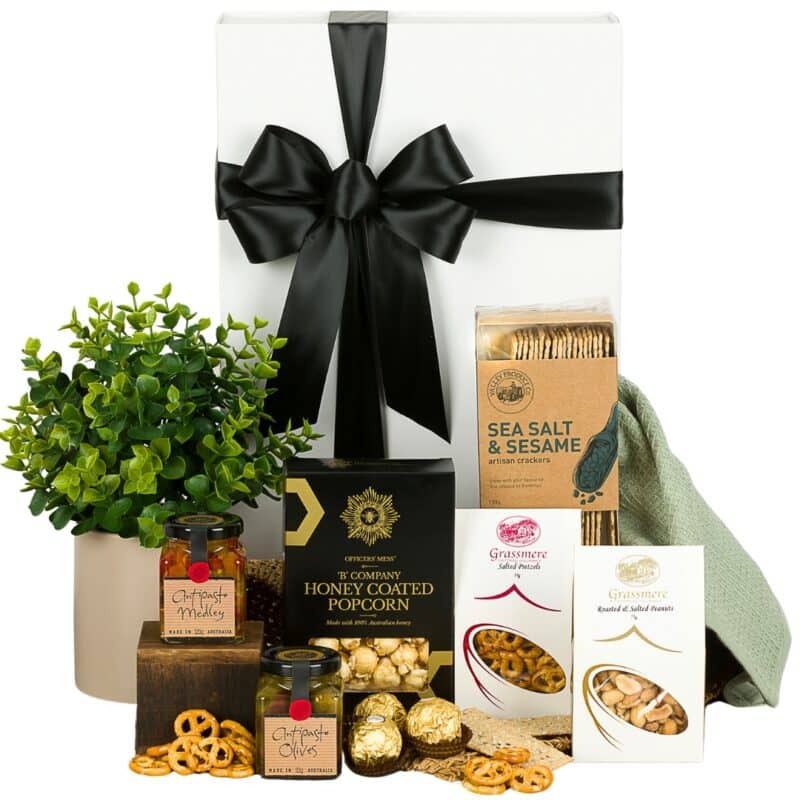
Shipping and Handling
Packaging must survive the journey. If a basket breaks on arrival, you’re not just losing a customer—you’re also paying for returns and replacements.
Strategic Design Choices for Cost Efficiency
Once you’ve Order online mapped the cost landscape, it’s time to deploy tactics that keep the budget in check without sacrificing style.
Selecting the Right Materials
- Use high‑strength, low‑weight cardboard instead of thick corrugated. Opt for biodegradable liners that double as decorative elements. Consider hybrid solutions—a sturdy cardboard base with a lightweight, reusable fabric cover.
Simplifying the Design
- Minimize the number of parts: fewer seams mean less glue and faster assembly. Standardize dimensions: a single basket size reduces tooling costs. Adopt a modular approach: interchangeable inserts that fit a common frame.
Modular and Reusable Components
Reusing parts across multiple basket types creates economies of scale. Think of a reusable “core” that can be paired with different “skins” for seasonal themes.
Leveraging Technology and Data
Modern tools Tea & coffee sets can turn a packaging nightmare into a data‑driven success story.
CAD and 3D Modeling
Design in 3D first, then print a prototype. This eliminates costly physical mock‑ups and lets you tweak dimensions before production.
Simulation and Load Testing
Use software to simulate shipping stresses. A virtual drop test can reveal weak spots that would otherwise cause costly returns.
Data Analytics for Material Usage
Track material consumption per batch. Identify outliers—those baskets that used more material than necessary—and adjust the design accordingly.
Collaborating with Suppliers and Manufacturers
Your packaging partner can be a goldmine of savings if you approach the relationship strategically.
Negotiating Bulk Discounts
Large orders often unlock volume discounts. Even a 5% reduction on a $10,000 order saves $500.
Co‑Design Workshops
Invite suppliers to the design table. Their expertise in manufacturing can spot cost‑saving opportunities you might miss.

Quality Assurance Without Extra Cost
Implement a shared quality checklist. A joint QA process reduces rework and keeps the budget tight.
Balancing Aesthetics and Budget
A gourmet basket that looks like a box of chocolates on a winter night can still be affordable. The trick is to balance visual appeal with cost constraints.
Visual Appeal vs. Cost
- Use simple color palettes: fewer inks mean lower printing costs. Add texture through embossing: a tactile feel can replace expensive foil stamping.
Storytelling Through Packaging
A well‑crafted story can justify a premium look. Use a small tag that explains the basket’s journey—this adds perceived value without a hefty price tag.
Eco‑Friendly Choices That Save Money
Surprisingly, sustainable materials can be cheaper. For example, using recycled cardboard often costs less than virgin material, and it resonates with eco‑conscious consumers.
Case Study: A Small Business That Cut Costs by 30%
When “Harvest & Hearth” launched its new seasonal basket, the team faced a tight budget. They followed these steps:
Adopted a single, versatile basket shape to eliminate tooling for multiple sizes. Switched to a lightweight, recycled cardboard that still felt premium. Used a 3D CAD model to test drop scenarios, cutting out the need for expensive physical prototypes. Negotiated a bulk discount with a local supplier for the custom foam inserts. The result? A 30% reduction in packaging cost while maintaining, and even enhancing, the basket’s visual allure. As the founder noted, “We saved money, and our customers felt like they were receiving a luxury gift.”Making Your Selection Count
The journey from concept to finished product is a balancing act. By understanding cost drivers, simplifying designs, leveraging technology, and collaborating wisely, you can turn packaging from a hidden expense into a strategic advantage. Remember, the goal isn’t just to cut costs—it’s to create packaging that protects, delights, and tells your brand story without breaking the bank.
Ready to redesign your gourmet baskets? Start by auditing your current packaging, then experiment with one or two of the strategies above. Your wallet—and your customers—will thank you.