Gift giving can feel like walking a tightrope—you want to convey genuine affection without seeming cliché or, worse, generic. We’ve all been there: staring at racks of perfectly nice soaps and gourmet crackers, feeling the looming pressure to create something truly memorable. You don't just want to give items; you want to share an experience. If you’re asking yourself, “how can I make a gift hamper feel personal and thoughtful?”—the good news is that thoughtfulness isn't about spending more money; it's about spending more time thinking.
The secret ingredient to any perfect hamper isn't the ribbon or the basket itself; it’s the story you tell with your selection. By focusing on genuine connection rather than commodity, you can transform a collection of goods into a treasured keepsake.
Understanding Your Recipient: The Blueprint for Thoughtfulness
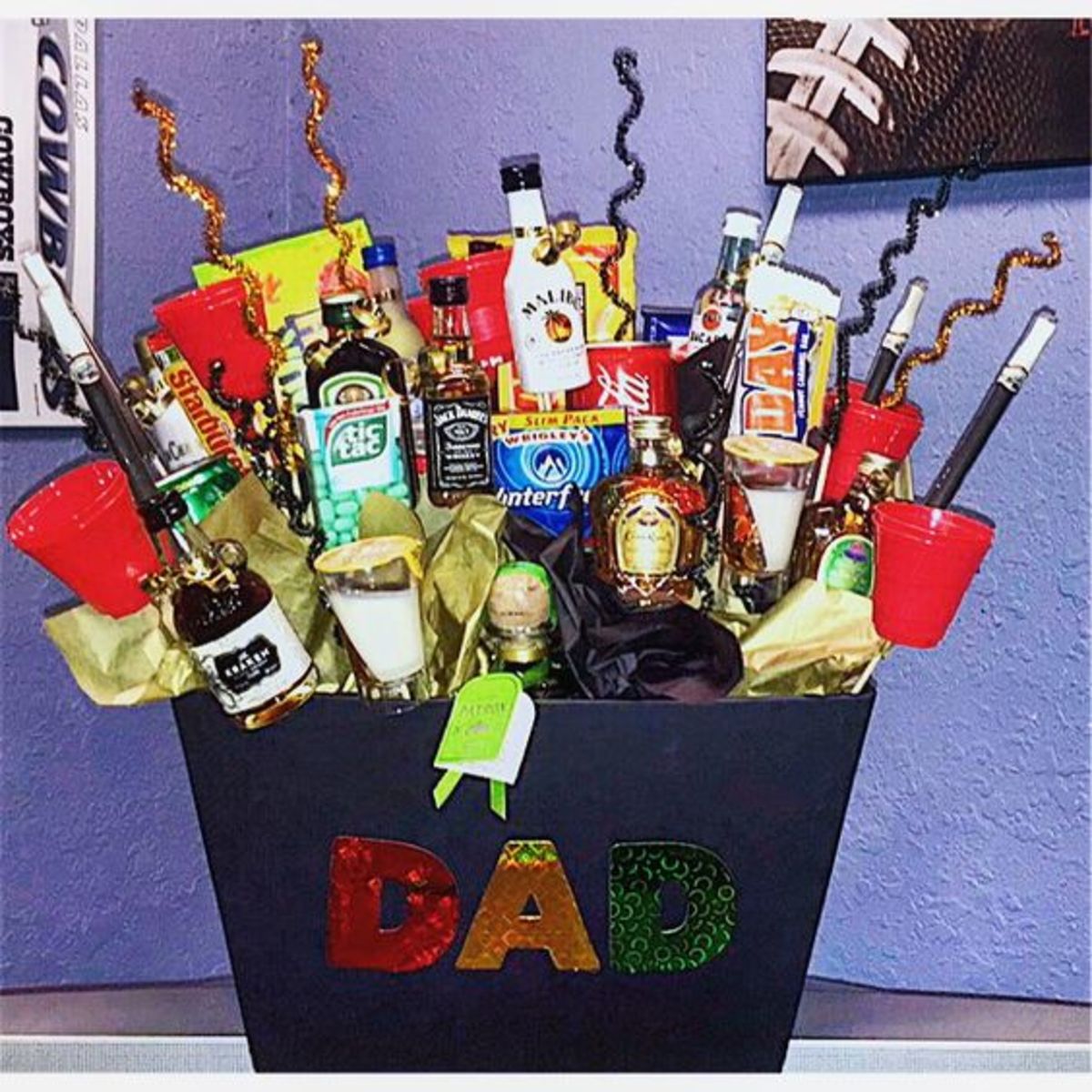
Before you even think about wicker baskets or artisanal Father's Day Hamper for dad jams, take a step back and become an investigative reporter on the person's life. A generic hamper is like elevator music—pleasant enough, but utterly forgettable. A personal one? That’s the perfect soundtrack to their favorite memory. To truly nail this, you need to move beyond broad categories (e.g., "coffee lover," "self-care") and dive into specific habits or deep interests.
What does your friend complain about needing when they get home after a long day? Is it silence? A better reading lamp? Maybe just the luxury of five uninterrupted minutes? These micro-observations are gold. If you aren't sure what to focus on, think about their routine—the things they do when no one is watching.
Consider an old friend who was obsessed with miniature gardening during lockdown. When it came time to gift something, I nearly defaulted to scented candles and wine—safe bets! But remembering his tiny passion for succulents and terrariums completely changed the plan. Instead of a generic "relaxation" hamper, we built one centered around small tools, unique potting mix, and a book on miniature landscapes. The sheer surprise at how well I remembered that niche hobby made the gift feel exponentially more valuable than any expensive item could suggest.
- Observe their environment: Are they always cozying up with a specific blanket? Do they work from home in an aesthetically pleasing way? Listen for complaints: What do they frequently say, "I wish I had..."? This is your treasure map. Recall shared memories: Was there a trip you took together? A meal you loved? Incorporating those elements instantly grounds the gift in a shared history.
Curating Contents: Matching Items to a Specific Narrative
Once you know who you are giving to, the next step is selecting items that tell a coherent story. Do not create a "kitchen gadget assortment." Create an Italian Aperitivo Experience. Does the recipient love cooking? Don't just throw in random spices; curate a set of ingredients for one specific, challenging recipe they’ve mentioned wanting to try, like homemade pasta or authentic mole sauce.
This careful selection process is where you can really answer the question: how can I make a gift hamper feel personal and thoughtful? By ensuring every item has a direct relationship with another item in the basket, you elevate the curation from shopping spree to styled narrative.
Thematic Cohesion Over Variety
The biggest mistake beginners make is collecting items that are all nice on their own but have no connection. Think of it like building a puzzle: each piece must interlock perfectly with the others.
A successful theme might be centered around rainy day movie marathons. Your contents would include:
- Gourmet popcorn flavors (The snack) Artisanal hot cocoa mix (The warmth) A soft, high-quality pair of socks (The comfort) A classic film recommendation or related trivia book (The activity)
By limiting the scope to one clear experience, you make it easier for the recipient to see how everything works together. Do you need a theme that feels more like an escape? Perhaps focus on "Tropical Getaway" items—a sunscreen sample, gourmet coconut-flavored snacks, and a cocktail recipe book.
Presentation Magic: Making the Unboxing a Moment
You might have gathered the perfect items, but if the presentation is lackluster, the gift falls flat. The hamper needs to be an event. This is where you move from simply assembling things into a basket to designing an unboxing ritual.
The initial impression must feel luxurious and intentional. Consider the container itself—is it sturdy? Does it complement the items inside? Using natural elements like untreated wood crates or reusable cloth totes adds immediate perceived value.
Layering for Impact
When arranging the contents, don't simply stack them. Use filler materials that enhance the look and feel of the gift. Items like crinkle-cut excelsior, fine tissue paper dyed to match a theme (e.g., deep navy blue for "oceanic" items), or even small sprigs of dried lavender can elevate the entire presentation instantly.
Remember this quote: “The details are not the details. They make up the details.” By paying attention to how the napkin folds, where the note is tucked, and what color ribbon you choose, you are communicating that time was spent on them, specifically. This meticulous effort is key to making a gift hamper feel personal and thoughtful.
Beyond the Ribbon: Sustaining the Thought Process
The perfect hamper shouldn't just be something consumed or used up; it should prompt conversation or continued joy long after the ribbon has been removed. How can I make a gift hamper feel personal and thoughtful beyond the physical goods? By adding a handwritten element that acts as a personalized guide.
Instead of a simple "Enjoy!" tag, write a little story on a card explaining why you chose certain items. For example:
"I know how much you love those rainy Sunday afternoons. So I put together this cozy kit—the hot cocoa reminds me of that time we watched movies at your place; the book is for that obscure historical fact you always mention, and the socks are because your feet deserve a break from cold floors!"
This narrative anchor transforms the gift into a tangible memory lane. It shifts the focus entirely away from commercial value and places it squarely on the relationship between giver and receiver.

Cultivating Future Moments of Joy Together
The most meaningful gifts don't just give; they invite action. When thinking about future hampers, always consider what shared activity the items facilitate. Instead of buying a bottle of expensive wine (a single-use item), perhaps include two bottles and a pairing guide for an "at-home dinner party kit." This suggests not only "Here is a nice gift," but "Let's do this together sometime soon."
If you want to continue mastering the art of the thoughtful gesture, start small. Next time you feel overwhelmed by a gift decision, simply spend thirty minutes journaling about the person’s life—their passions, their minor pet peeves, and the things they laugh at most often. This deep dive into empathy will be your greatest guide. By treating gift giving as an act of active listening rather than passive spending, you ensure that every future hamper is imbued with genuine care, making it feel profoundly personal and thoughtful.